
Picture this: You’re at home, enjoying a cosy evening, and suddenly you feel a bit stuffy. The culprit? Poor indoor air quality. It’s easy to overlook, but the air you breathe indoors has a significant impact on your health and comfort.
Fear not, because in this handy guide, we’ll explore some entertaining and effective ways to improve indoor air quality and achieve natural ventilation.
1. Embrace Greenery with Open Arms
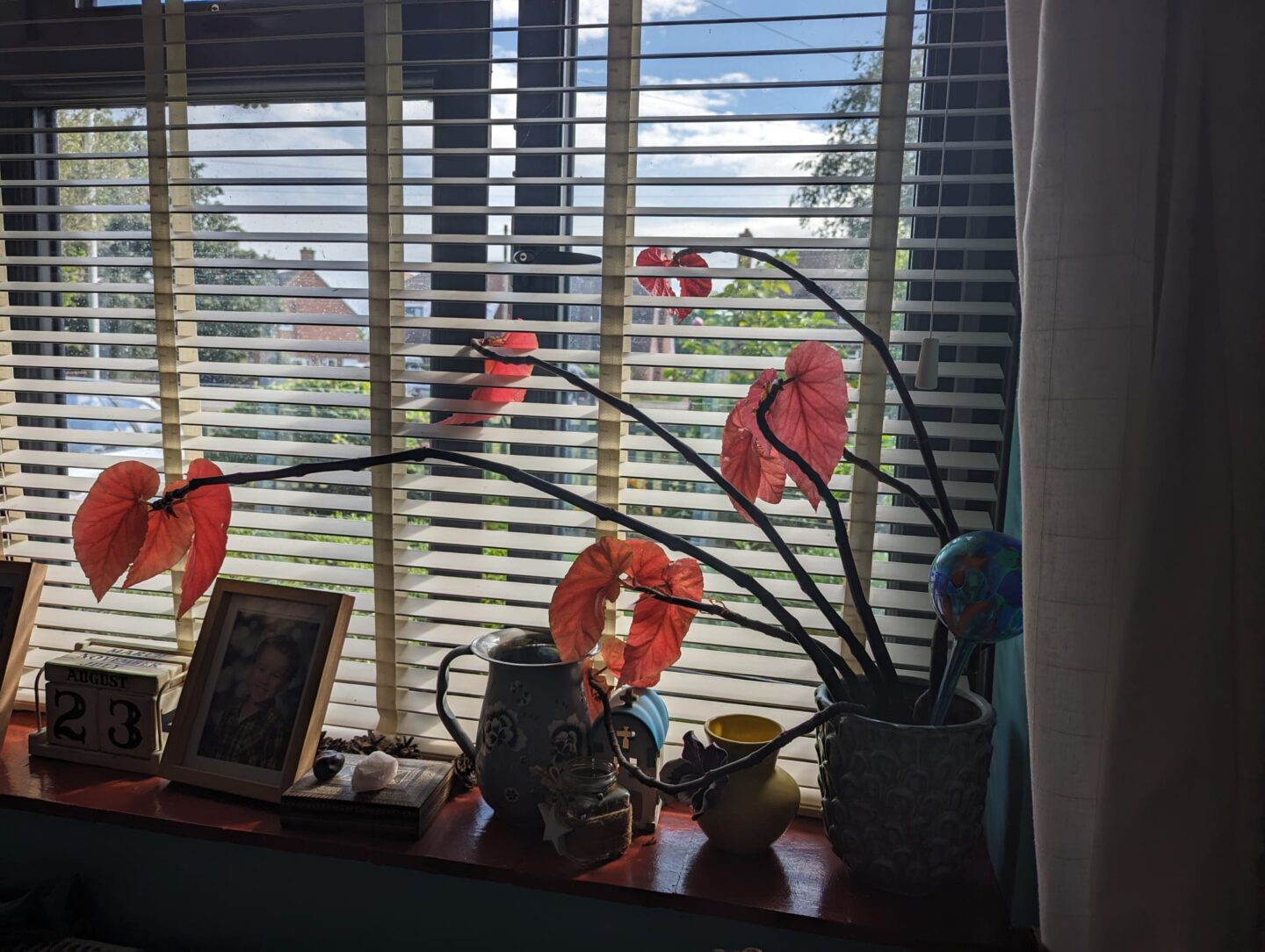
Plants aren’t just there to look pretty; they’re natural air purifiers. Incorporating indoor plants like snake plants, peace lilies, and spider plants can help remove pollutants and toxins from the air. Plus, they add a touch of nature’s charm to your living spaces.
2. Open Windows: Nature’s Breath of Fresh Air
Sometimes, the simplest solutions are the most effective. Regularly opening windows is like giving your home a refreshing breath of fresh air. Even if it’s just for a few minutes each day, letting in some outdoor air can significantly improve indoor air quality.
3. Consider Adding Skylights or Roof Windows
To maximise the amount of air and light entering your home, you may want to install some extra roof lights or Keylite roof windows. These Keylite designs from Roof Window Outlet will provide plenty of added ventilation (and style) to your home while providing heightened durability and performance to boot.
4. Ditch the Chemical Culprits
Many household products release harmful chemicals into the air. Swap out conventional cleaning supplies for natural alternatives or consider making your own using ingredients like vinegar, baking soda, and lemon. Not only will your indoor air quality improve, but you’ll also have a clean conscience.
5. Upgrade Your Filters
If you’re rocking an HVAC system, make sure to regularly change or clean the filters. These filters catch dust, pollen, and other particles that can degrade indoor air quality. Choose high-efficiency filters for optimal results.
6. Declutter for Freshness
Clutter not only takes up space but also traps dust and pollutants. Regular decluttering not only creates a more visually appealing space but also improves indoor air quality by reducing potential hiding spots for allergens.
7. Glimmering Natural Sunlight
Sunlight isn’t just great for boosting your mood; it can also help combat potentially harmful mould and mildew growth. Keep your curtains open during the day to let sunlight in. This not only adds a warm glow to your home but also helps keep indoor humidity levels in check.
8. Involve Your Appliances
Certain appliances can help maintain indoor air quality. Consider investing in air purifiers with HEPA filters to trap particles and allergens. Humidifiers can also help if your indoor air is too dry.
9. Keep the Dust At Bay
Dusting might not be your favourite chore, but it’s essential for good air quality. Regularly dust surfaces, vacuum with a HEPA-filtered vacuum cleaner, and pay special attention to carpets and rugs.
10. Freshen Up with Natural Scents
Instead of masking odours with artificial air fresheners, opt for natural alternatives. Simmer a pot of water with citrus peels and spices for a delightful aroma that won’t compromise your indoor air quality.
Overview
Improving indoor air quality and natural ventilation doesn’t have to be a chore. From opening windows to inviting plants and decluttering, each simple but effective step contributes to a healthier and more comfortable living environment.
So go ahead, take a deep breath, and get ready to enjoy the benefits of a truly refreshing home.
Thank you for the tips!
Another suggestion I’d like to make is to consider using HEPA filters for your home’s air conditioner. However, it’s important to be selective when choosing one for your system. The effectiveness of HEPA filters is measured by their MERV rating. While high-rated filters are more efficient at capturing small particles, they can also restrict airflow and cause your system to work harder, resulting in higher energy consumption. For most homes,
HEPA filters with a MERV rating between 6 and 13 should work fine.
When considering HEPA filters for your air conditioning system, it’s also worth noting the importance of regular maintenance. A clogged or dirty filter, regardless of its MERV rating, can significantly impair the efficiency of your HVAC system. Regularly checking and replacing or cleaning HEPA filters as needed not only ensures optimal air quality but also maintains the energy efficiency of your system.
Thanks for sharing such a comprehensive article. I want to add one more thing which is usually neglected when it comes to indoor air quality. I’m talking about air duct cleaning. If you have a ducted HVAC system, you should also remember about air duct cleaning. Over time, air ducts get filled with dust, mites, bacteria, and various debris, which are not good for your family to be breathing in. This can be especially harmful to the health of little children, seniors, and those with respiratory issues.
Regularly changing or cleaning HVAC filters is crucial for maintaining good indoor air quality. High-efficiency filters are definitely the way to go. This article does a great job highlighting important maintenance tasks we often overlook.