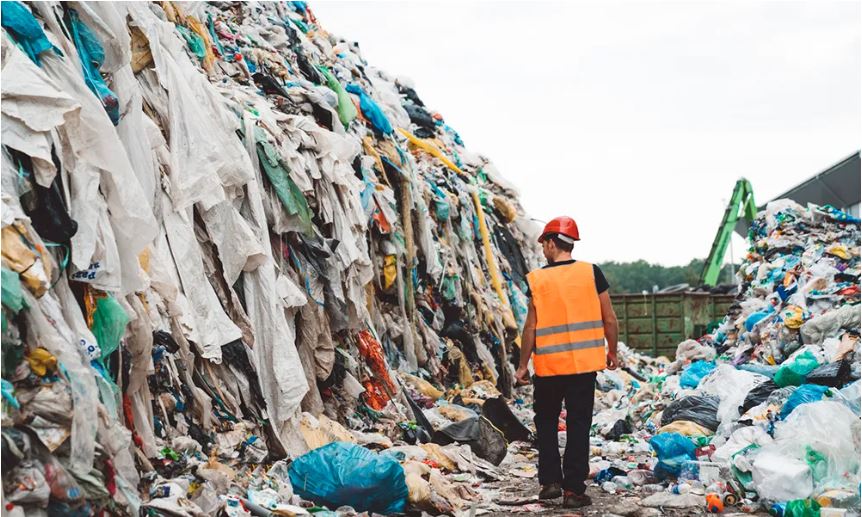
The fashion industry is one of the biggest polluters in the world. Every year, millions of tons of clothing are produced, and a significant portion of that ends up in landfills.
But there’s a way to help reduce the environmental impact of the fashion industry: shop second-hand.

Here are some of the many ways to shop second-hand:
- Vinted is an online marketplace where you can buy and sell second-hand clothes, shoes, accessories, and homewares.
- Vintage stores are brick-and-mortar stores that sell vintage clothing, furniture, and other goods.
- Facebook Marketplace is a section of Facebook where you can buy and sell goods locally.
- Charity shops are stores that sell donated goods, with the proceeds going to charity.
- eBay is an online auction site where you can buy and sell goods from all over the world.
These are just a few of the many ways to shop second-hand. With so many options available, there’s sure to be a way to find the perfect second-hand items for your wardrobe and home.
Here are some additional benefits of shopping second-hand:
- It’s more sustainable. When you buy second-hand clothes, you’re helping to reduce the amount of waste that goes into landfills. The fashion industry is one of the biggest polluters in the world, so every little bit helps.
- It’s more affordable. You can find great deals on second-hand clothes, especially if you’re willing to do a little bit of digging.
- It’s more unique. When you buy second-hand clothes, you’re more likely to find unique pieces that you won’t see everyone else wearing.
So next time you’re looking for new clothes, consider shopping second-hand. It’s a great way to save money, help the environment, and express your personal style.
When you buy second-hand clothes, you’re not only saving money, but you’re also helping to reduce waste and pollution.
Here are some of the environmental benefits of shopping second-hand:
- It reduces waste. When you buy second-hand clothes, you’re preventing them from going to landfills. Every year, millions of tons of clothing end up in landfills, where they can take hundreds of years to decompose.
- It saves water. It takes a lot of water to produce new clothing. In fact, it takes about 2,700 gallons of water to produce a single pair of jeans. When you buy second-hand clothes, you’re saving water that would have been used to produce new clothes.
- It reduces energy consumption. It also takes a lot of energy to produce new clothing. In fact, it takes about 900 kilowatt-hours of energy to produce a single pair of jeans. When you buy second-hand clothes, you’re reducing the amount of energy that is used to produce new clothes.
- It reduces pollution. The production of new clothing also contributes to pollution. In fact, the fashion industry is responsible for about 10% of global carbon emissions. When you buy second-hand clothes, you’re helping to reduce the amount of pollution that is caused by the fashion industry.
So next time you’re looking for new clothes, consider shopping second-hand. It’s a great way to save money, help the environment, and express your personal style.
“There is no such thing as away. When we throw something away, it must go somewhere.”
Annie Leonard
This quote is a reminder that when we dispose of something, it doesn’t just disappear. It ends up somewhere, whether it’s in a landfill, incinerator, or our oceans. This is important to keep in mind when we make choices about what we consume and how we dispose of our waste.
Annie Marie Leonard is an American proponent of sustainability and a critic of consumerism. She created the animated film The Story of Stuff, which describes the life cycle of material goods. In 2014, she became the Executive Director of Greenpeace USA
Wikipedia
Here are some tips for shopping second-hand:
- Do your research. Before you start shopping, take some time to research different second-hand stores and online marketplaces. This will help you find the best deals and the most unique items.
- Be patient. It takes time to find the perfect second-hand items. Don’t get discouraged if you don’t find what you’re looking for right away. Keep searching and you’re sure to find something you love.
- Be prepared to negotiate. Many second-hand stores are willing to negotiate on prices. Don’t be afraid to ask for a lower price if you’re not happy with the asking price. However, it is important to note that this is not always the case with charity shops. Charity shops are typically run by volunteers who are not paid a salary. The money they make from selling items goes to support the charity they are affiliated with. Therefore, it is not always possible to negotiate prices at charity shops.
- Be respectful. When you’re shopping second-hand, be respectful of the items you’re trying on. Don’t damage the clothes or accessories, and be sure to put them back where you found them.
- Start with the basics. If you’re new to shopping second-hand, start with brands you already know and in sizes you already know you are for those brands. This will make the transition so much easier as you already have trust in those brands.