
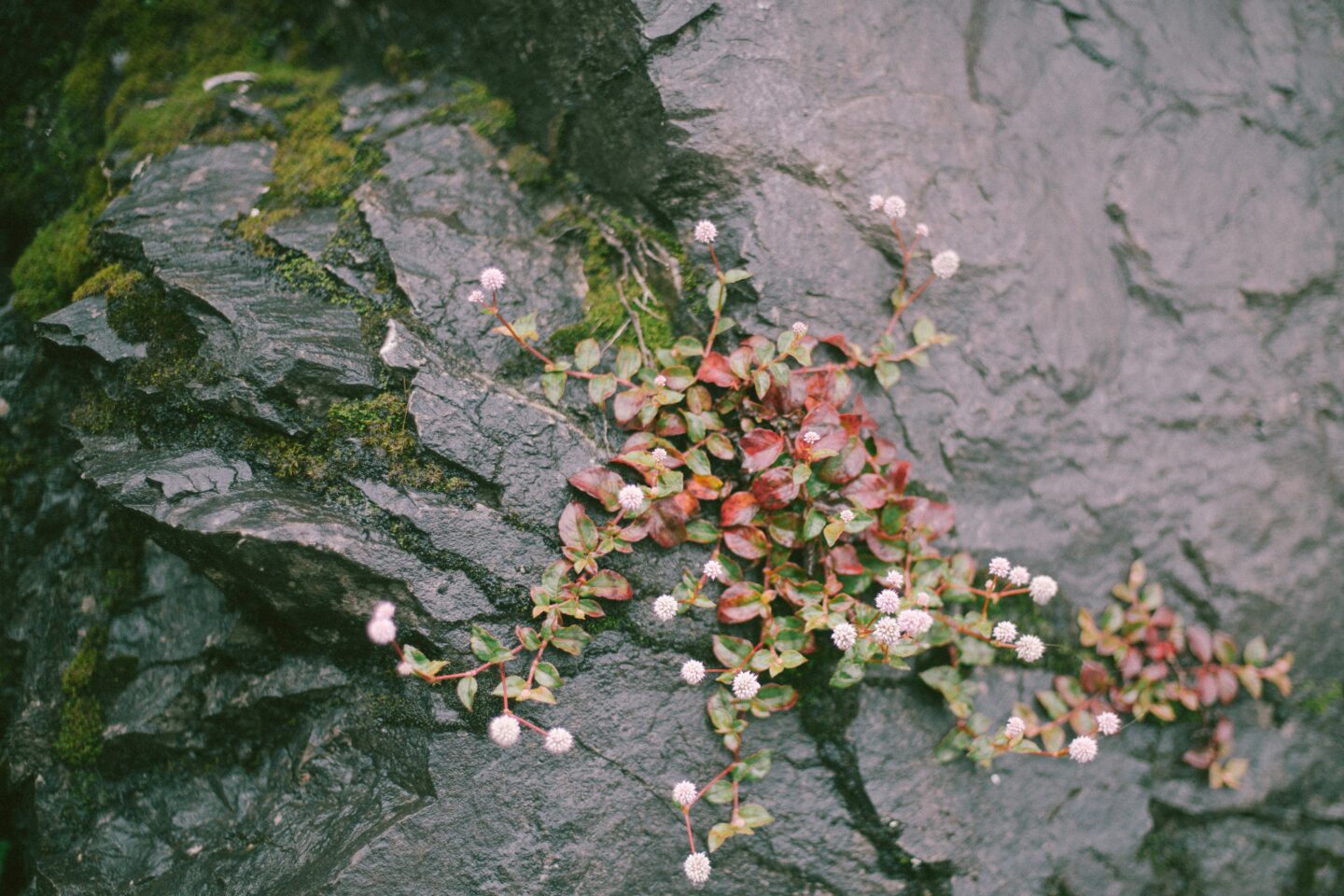
Japanese Knotweed (Fallopia japonica) is an invasive plant species that has gained notoriety for its ability to wreak havoc on properties and infrastructure. While it may look harmless at first glance, Japanese Knotweed is a formidable adversary for homeowners. In this comprehensive guide, we’ll explore the best steps for Japanese Knotweed identification, and what steps you can take if you discover it on your property.
Understanding Japanese Knotweed
Japanese Knotweed is native to Japan and was introduced to the United States as an ornamental plant in the late 19th century. Since then, it has spread rapidly, becoming a significant concern for homeowners, landscapers, and environmentalists alike.
This invasive species is known for its vigorous growth, which can quickly overrun gardens, yards, and even penetrate buildings and infrastructure. Its underground rhizomes can extend several metres from the parent plant, making it challenging to eradicate once established.
Identifying Japanese Knotweed
Proper identification is the first step in dealing with Japanese Knotweed. Here are some key characteristics to help you recognize this invasive plant:
1. Bamboo-like Stems:
Japanese Knotweed’s stems are reddish-brown and resemble bamboo. They are hollow and can grow up to 10 feet in height. The stems are segmented, with a joint-like appearance, and often have a purple or red hue.
2. Distinctive Leaves:
The leaves of Japanese Knotweed are heart or spade-shaped and have a distinctive alternating pattern along the stem. They are typically dark green, sometimes with a reddish tint, and can reach lengths of 6 inches.
3. White Flowers:
In late summer or early fall, Japanese Knotweed produces small, white to creamy-white flowers arranged in clusters at the tips of its stems. While the flowers may seem harmless, they are a sign of the plant’s ability to reproduce rapidly.
4. Fall Color:
In the autumn, Japanese Knotweed’s leaves turn a golden-yellow colour before eventually falling off. This seasonal change can help distinguish it from other plants.
5. Rhizomes:
The underground rhizomes are one of the most defining characteristics of Japanese Knotweed. They are thick, woody, and can extend deep into the soil. These rhizomes can send up shoots at any point along their length, leading to the rapid spread of the plant.
6. Late Emergence:
Japanese Knotweed typically emerges later in the spring than many other plants, often in May. This late start allows it to outcompete native vegetation.
Why Identify Japanese Knotweed?
Identifying Japanese Knotweed on your property is crucial because it poses several significant risks:
1. Property Damage:
The plant’s aggressive growth can cause structural damage to buildings, roads, and foundations as its roots seek out moisture and cracks in infrastructure.
2. Ecosystem Disruption:
Japanese Knotweed can outcompete native vegetation, disrupting local ecosystems and reducing biodiversity.
3. Legal Consequences:
In many areas, it is illegal to allow Japanese Knotweed to spread to neighbouring properties. Failing to address an infestation could lead to legal troubles.
4. Reduced Property Value:
The presence of Japanese Knotweed can significantly reduce the value of your property, making it difficult to sell.
What to Do if You Suspect Japanese Knotweed
If you suspect you have Japanese Knotweed on your property, it’s essential to take action promptly. Here’s what you should do:
1. Confirm the Identification:
While the characteristics mentioned above can help you identify Japanese Knotweed, it’s always a good idea to consult with a local expert or horticulturist to confirm the diagnosis. False positives can occur, and you want to be sure.
2. Document the Infestation:
Take clear photographs of the plant, including its leaves, stems, and any nearby structures it might be affecting. Documentation can be valuable if you need to involve professionals or authorities.
3. Seek Professional Help:
Japanese Knotweed can be challenging to eradicate, and improper removal methods can exacerbate the problem. Consult with a professional invasive species management company or an experienced landscaper for guidance and treatment options.
4. Legal Obligations:
Be aware of any local regulations regarding the management of Japanese Knotweed. In some areas, property owners are legally required to address infestations promptly.
5. Consider Treatment Options:
Depending on the severity of the infestation, treatment options may include chemical herbicides, mechanical removal, or a combination of both. A professional will help determine the best approach for your specific situation.
6. Monitor and Prevent:
Even after treatment, it’s crucial to monitor your property for any signs of regrowth. Preventative measures, such as maintaining a barrier around your property to prevent further spread, may also be necessary.
DIY vs. Professional Removal
While some homeowners may attempt to remove Japanese Knotweed themselves, it’s often a task best left to professionals. Here are some reasons why:
1. Expertise:
Professionals have the knowledge and experience to identify the most effective removal methods for your specific situation.
2. Safety:
Removing Japanese Knotweed can be physically demanding and potentially hazardous. Professionals have the equipment and training to do the job safely.
3. Preventative Measures:
Professionals can advise you on long-term preventative measures to minimise the risk of recurrence.
Japanese Knotweed may be a beautiful and innocuous-looking plant, but it’s invasive nature can wreak havoc on your property and the environment. If you suspect you have Japanese Knotweed on your property, take it seriously and seek professional guidance. Early detection and prompt action are key to preventing this invasive species from causing further damage. By understanding how to identify Japanese Knotweed and knowing how to address it, you can protect your property, preserve local ecosystems, and avoid legal complications. Remember, when it comes to Japanese Knotweed, swift action is your best defence.